Ukraine’s healthcare system faces the challenge of responding to war-related emergencies while continuing to provide care for conditions such as cancer, cardiovascular disease and other long-term health needs. Damaged healthcare facilities, disrupted transport networks and unreliable electricity supply add further pressure to a system already stretched by the war.
At the same time, Ukraine is advancing its integration into the European Union. Alongside efforts to strengthen healthcare infrastructure and services, alignment with EU standards is helping establish the regulatory and procurement frameworks through which foreign companies can contribute.
Governments and international institutions have already committed significant resources to Ukraine’s health system recovery. Germany has provided around €133 million in direct health-sector support to Ukraine since the beginning of the war, while the EU, through the Ukraine Facility Plan, has committed a €600 million healthcare investment through 2027.
Pharma and medtech companies are also considering how their expertise, products and technologies can support this effort. But meaningful engagement requires more than making products available. Companies need to understand Ukraine’s healthcare priorities, how care is currently delivered and funded, and the local capacity needed to ensure solutions reach and continue reaching patients.
So, where should companies start? What needs to be in place before a product can make a difference? And how can international companies work with Ukrainian authorities and local partners to strengthen healthcare delivery without creating parallel systems?
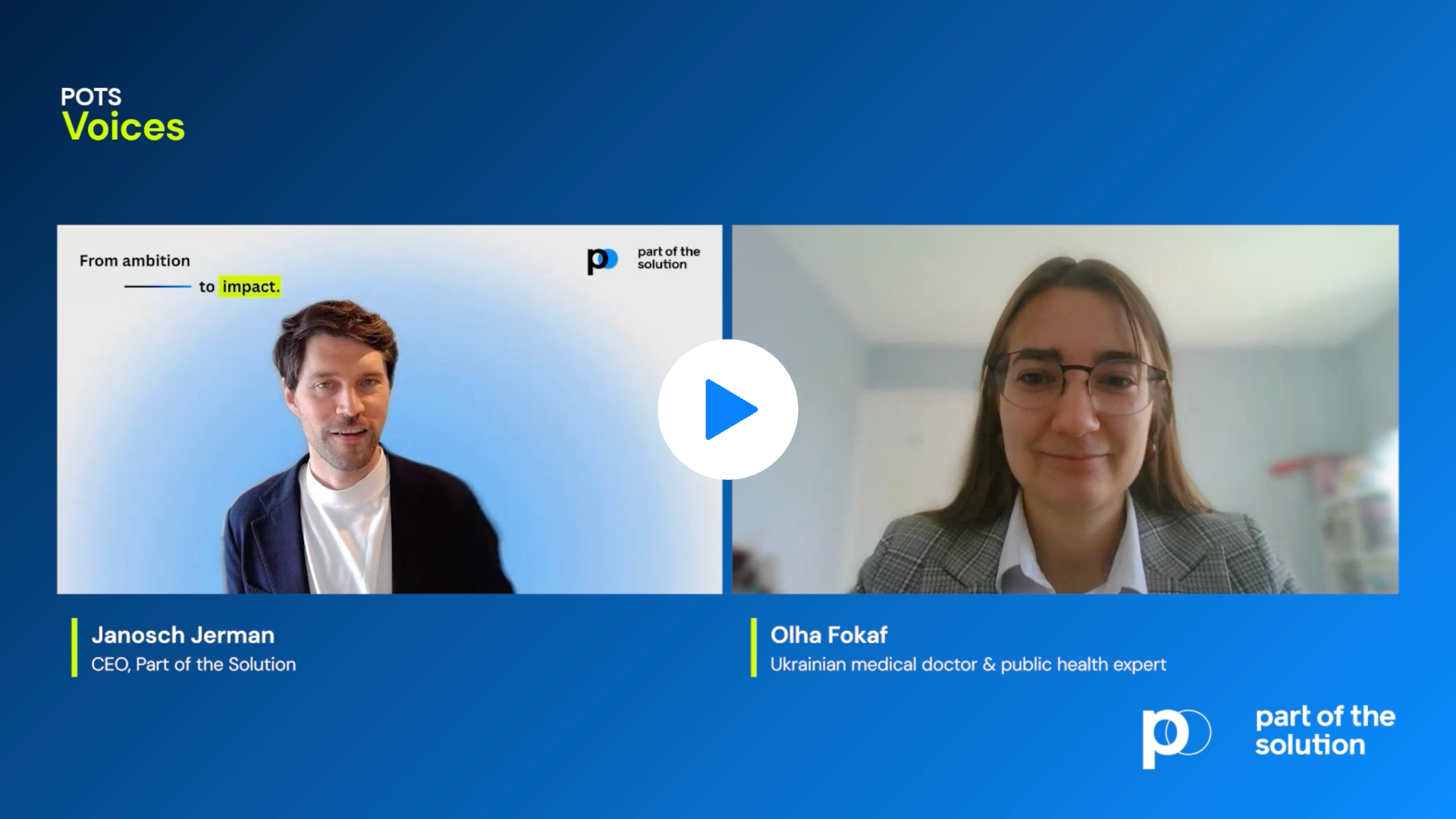
We explore these questions with Olha Fokaf, a Ukrainian medical doctor and health-systems expert whose work has focused on health-system strengthening, rehabilitation, service delivery and health reform. Drawing on her experience, she offers a perspective grounded in both policy and the practical realities of sustaining healthcare during war while preparing for recovery.