Battery demand made Indonesian nickel central to a global carmaker's electric vehicle plans, and a growing reputational risk. We mapped the risks on the ground and built a three-year strategy the company could act on.
The situation
Battery demand made nickel central to a global carmaker's electric vehicle plans, and almost all recent growth in nickel mining has come from Indonesia. Reports of cleared forest, polluted water and abusive labour practices were turning that dependence into a reputational and regulatory risk. The client needed to know what it was actually exposed to, what its stakeholders expected of it, and what it could realistically change.
What we did
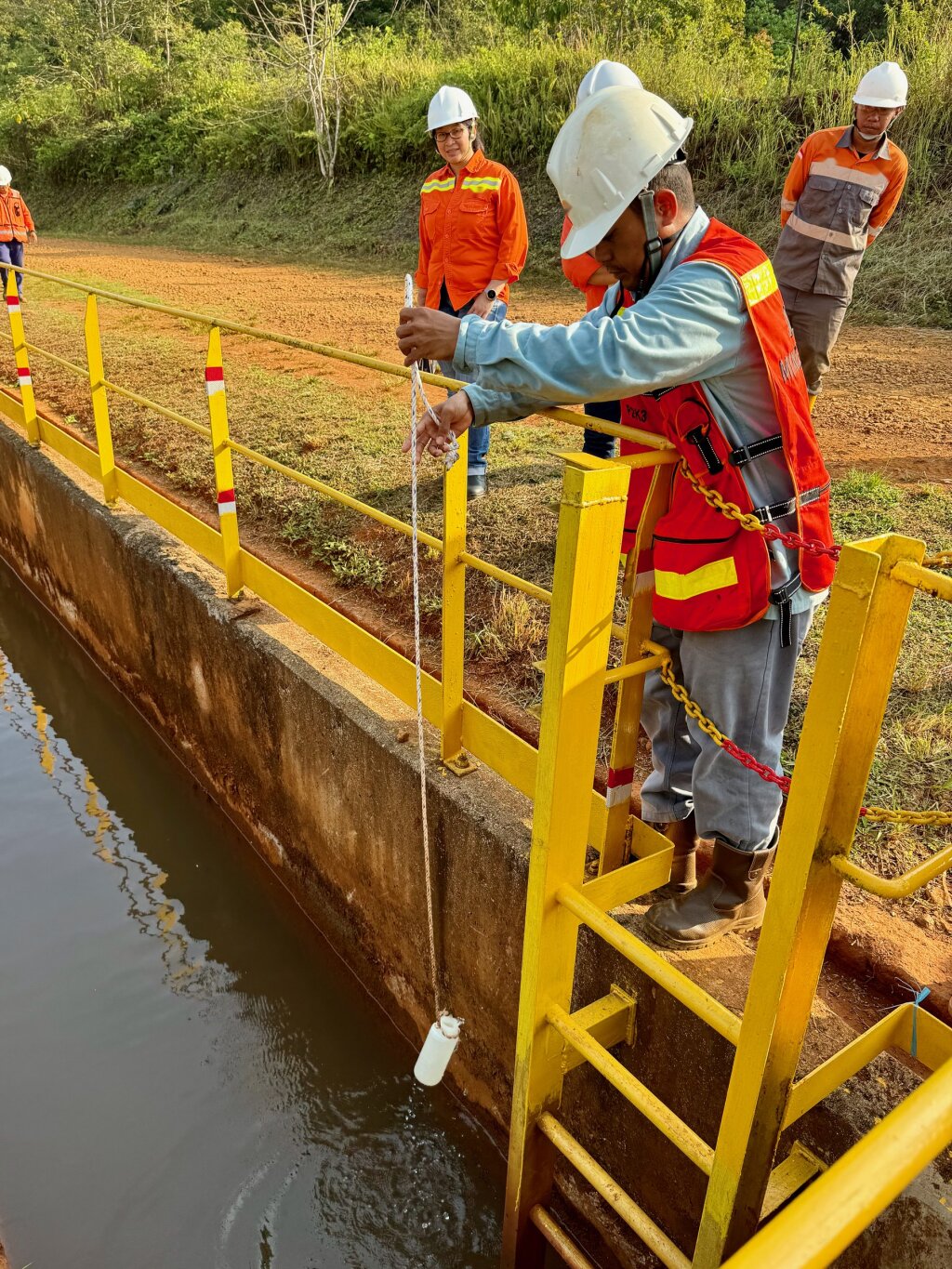
We started with desk research and interviews inside the company and with outside experts, then spent two weeks in Indonesia's main nickel regions. We visited mines, processing plants and industrial parks and held more than 50 conversations with government, civil society and companies. The picture was sobering. Growth is the national priority, oversight is thin, and many smaller mines operate with little or no environmental and social management.
With the client's team we turned the findings into a strategy that works on three levels: the company's own management system, its direct suppliers, and joint action with others on the ground, where no single buyer can shift practice alone. Each level came with measures, a three-year roadmap and indicators to track progress.
What changed
The client had a strategy built on what we had seen on site, with clear priorities for its own teams and its suppliers. It commissioned us for the next step.